


 Hello! You are about to leave publix.com and enter the Instacart site that they operate and control. Publix’s delivery and curbside pickup item prices are higher than item prices in physical store locations. Prices are based on data collected in-store and are subject to delays and errors. Fees, tips & taxes may apply. Subject to terms & availability. Publix Liquors orders cannot be combined with grocery delivery. Drink responsibly. Be 21. For prescription delivery, log in to your pharmacy account by using the Publix Pharmacy app or visiting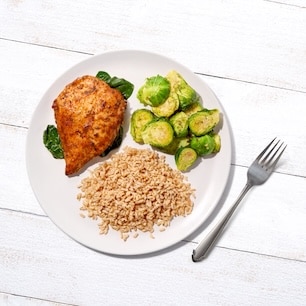
Updated June 12, 2026
You may have noticed the growing popularity of GLP-1 medications, which are used for weight loss and the treatment of type 2 diabetes and other conditions. But did you know that GLP-1 is also a naturally occurring hormone in your body?1
Let’s learn about foods that can promote your body’s release of the GLP-1 hormone—as well as some food and lifestyle guidelines to keep in mind if you’re taking a GLP-1 medication.
How does the GLP-1 hormone work?
When you eat, the GLP-1 hormone is released from your digestive system to perform several tasks, including
- telling your pancreas to release insulin, which helps your body turn food into energy and lowers the amount of glucose in your blood;
- slowing down the emptying of your stomach, which helps modulate your blood sugar levels and prolongs a sensation of fullness; and
- increasing satiety (fullness) by affecting areas of your brain responsible for hunger.2
Are there foods that can help control GLP-1 levels naturally?
Yes! While food won’t control the levels to the extent that medication does, there are some foods that help raise the GLP-1 hormone in the body more than others.
Meals that are higher in protein cause a notable increase in secretion of the GLP-1 hormone.3 And some studies have shown that whey protein can help stimulate the hormone’s release.4
Some phytochemicals can also help stimulate GLP-1 hormone secretion.3 One such phytochemical, quercetin, can be found in many fruits and vegetables, including apples, cranberries, red onions, dill, spinach, and kale.5
What are GLP-1 medications, and who are they for?
GLP-1 medications mimic the GLP-1 hormone and were developed for those living with type 2 diabetes. In this condition, the body either does not produce enough insulin or has insulin-resistant cells—or both.
Similar to the GLP-1 hormone effects listed above, GLP-1 medications trigger a series of events that lead to
- improved blood sugar control;
- decreased hunger signals in the brain; and
- slower emptying of food from the stomach, causing the feeling of satiety (fullness) to last longer.3
These mechanisms can contribute to weight loss, and in 2014, the FDA approved GLP-1 medications for that purpose.6 More recently, the FDA has approved the use of GLP-1s for other conditions. Please consult with your physician or pharmacist for the most up-to-date information about GLP-1 medications.
What lifestyle choices support health while taking GLP-1 medications?
1. Eat with a focus on protein and fiber.
When you’re taking GLP-1 medication and your appetite is reduced, it can be difficult to remember to eat. But your body requires certain nutrients to thrive, so it’s important to choose your foods intentionally. Prioritizing foods high in protein and fiber may help with blood sugar stabilization, muscle preservation, and keeping your gut moving. Some of the best options include lean proteins, fruits and vegetables, and whole grains.
Publix offers a variety of delicious selections. For a convenient weeknight meal, pair our Sofrito-Seasoned Chicken with Brussels Sprouts and a half cup of Publix quick-cooking brown rice. This well-rounded option provides 54 grams of protein and 6 grams of fiber.
2. Avoid irritants.
Because GLP-1 medications slow digestion, certain foods may cause unwanted effects in the gut. Some common culprits are refined carbohydrates and foods that are spicy, high in fat, processed, or made with added sugars.
Each body is different, though, so you’ll need to determine for yourself whether certain foods give you trouble.7
3. Move your body.
As with any weight loss journey, it’s important to focus on moving your body and preserving your muscles. The American Heart Association* recommends strength training twice a week and a total of at least 150 minutes of movement weekly.8
Consult your doctor.
As always, be sure to speak with your physician before embarking on any new exercise program or major dietary changes.
Want to learn more about GLP-1s?
- Check out our article “Managing Your Blood Glucose” and get tips from our registered dietitians on how to use technology and meal methods to manage your blood sugar levels.
- Use our helpful brochure to navigate nutrition, develop strategies, and discover savings to support your GLP-1 weight loss journey.
- Look for our Better Choice shelf tags to find products that have more of the nutrients you need, like fiber, and less of the things you don’t, like added sugar.
- Email our dietitians with your questions about GLP-1s, weight loss, or nutrition.
Publix Health & Wellness.
Each wellness journey is uniquely personal. It's about achieving your goals and feeling your best. Explore more dietitian-curated topics, resources, tips, and products that speak to you.
*You are about to leave publix.com and enter a third party site that they operate and control.
Sources
1Viercinski, Robert, and Danielle Snively. Glucagon-Like Peptide-1 Receptor Agonists: A Pharmacy Perspective on Insurance Coverage and Medication Access. Center for Primary Care. Harvard Medical School. March 26, 2025.
2GLP-1 Agonists. Cleveland Clinic. July 3, 2023.
3Hira, Tohru, Aphichat Trakooncharoenvit, Hayate Taguchi, and Hiroshi Hara. Improvement of Glucose Tolerance by Food Factors Having Glucagon-Like Peptide-1 Releasing Activity. Edited by Kazumi Yagasaki. PubMed Central. June 21, 2021.
4Rigamonti, Antonello E., Roberto Leoncini, Alessandra De Col, and Sofia Tamini, et al. The Appetite−Suppressant and GLP-1-Stimulating Effects of Whey Proteins in Obese Subjects Are Associated with Increased Circulating Levels of Specific Amino Acids. PubMed Central. March 15, 2020.
5Dabeek, Wijdan M., and Melissa Ventura Marra. Dietary Quercetin and Kaempferol: Bioavailability and Potential Cardiovascular-Related Bioactivity in Humans. PubMed Central. September 25, 2019.
6Crane, James, and Barbara McGowan. The GLP-1 Agonist, Liraglutide, as a Pharmacotherapy for Obesity. PubMed Central. December 16, 2015.
7GLP-1 Diet Guidance. Cleveland Clinic. Accessed September 4, 2025.
8American Heart Association Recommendations for Physical Activity in Adults and Kids. American Heart Association. January 19, 2024.