


 You are about to leave publix.com and enter the Instacart site that they operate and control. Publix’s delivery and curbside pickup item prices are higher than item prices in physical store locations. Prices are based on data collected in store and are subject to delays and errors. Fees, tips & taxes may apply. Subject to terms & availability. Publix Liquors orders cannot be combined with grocery delivery. Drink Responsibly. Be 21. For prescription delivery, log in to your pharmacy account by using the Publix Pharmacy app or visiting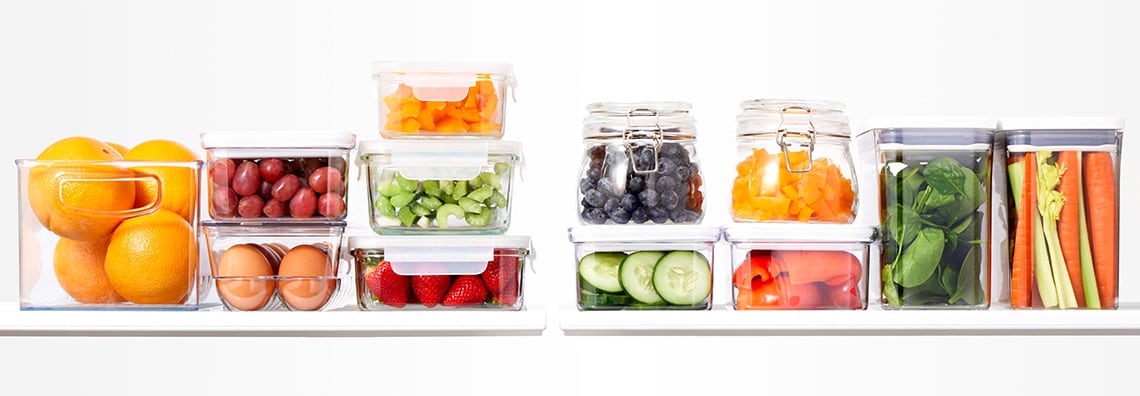
Keep it cool and safe.
Food safety starts in your fridge. Be sure to store your food properly at a temperature of 40°F or below to reduce the risk of foodborne illness. Check out these important refrigerator food storage guidelines.
Go 40°F or below.
- Use a thermometer to monitor your refrigerator’s temperature, since control dials and displays are not always accurate.
- Check the temperatures of the bottom shelf, top shelf, and door of your refrigerator, as these areas sometimes become warmer than others.
Clean your fridge often.
- Sanitize the inside walls, shelves, and bins frequently to avoid bacterial cross contamination.
- Use a spray solution that includes bleach or create your own with one tablespoon of liquid chlorine bleach to one gallon of hot water.
- Please note that plain water, vinegar, and baking soda may not adequately sanitize.
Thaw and marinate in the fridge.
- Plan ahead to allow enough time for thawing. Even small amounts of food can take up to one day to thaw in the refrigerator.
- Do not thaw or marinate meats and other foods at room temperature.
Store food properly.
- Separate your leftovers into small, shallow containers.
- Refrigerate or freeze perishable foods within two hours.
- Completely cover and securely wrap leftovers and other foods before storing them in the fridge or freezer.
- Consume or freeze refrigerated leftovers within three to four days. Throw away leftovers after four days.
Publix offers a variety of thermometers that are just right for all your kitchen temperature-monitoring needs.
Source:
Go 40 or Below – BAC! Fighters. Partnership for Food Safety Education. Accessed March 13, 2025.